Salt Air Off the Solent: Why Southampton Roofs Grow Moss and Algae
Look up at your roof after a wet week and you might spot green patches creeping across the tiles. That fuzzy growth isn't just an eyesore. It's algae and moss digging in, and in Southampton they've got close to perfect conditions.
Living beside Southampton Water changes the game. Salt air rolls in off the Solent, our milder winters keep everything damp, and shade from mature trees does the rest. Your roof ends up with a slow green coating that keeps coming back.
The quick answer: Southampton roofs grow moss and algae because our coastal, humid climate keeps tiles wet for long stretches, and salt in the air holds moisture on the surface. Soft washing clears the growth without battering the tiles, and it slows how fast it returns.
1. The Solent sits right on your doorstep
Southampton wraps around Southampton Water, the tidal estuary fed by the Test and the Itchen. That means most of the city is a short hop from open salt water. The air here carries more moisture and more salt than somewhere inland like Basingstoke.
Moss and algae both need water to survive. When the air itself stays damp for days, tiles rarely get a proper chance to dry out. And a roof that never fully dries is a roof that stays green.
2. Salt in the air holds moisture on your tiles
Salt is hygroscopic, which is a fancy way of saying it pulls water out of the air and hangs onto it. When salt settles on your roof, it keeps the surface slightly damp even when it hasn't rained for a day or two.
That thin film of moisture is exactly what algae feeds on first. Once the algae takes hold, moss follows, using the softened, dirty surface as an anchor. Homes closer to the docks and the waterfront tend to see this faster than those up towards the northern suburbs.
It's a slow build, but it's relentless. Salt doesn't take a day off.
3. Mild, wet winters keep the growth going
Southampton sits on the south coast, so our winters are gentler than most of the country. Hard, killing frosts are less common here. That sounds pleasant, and for us it is, but moss loves it too.
In colder parts of Britain, a deep freeze can knock moss back for a while. Here, the growth barely pauses. A damp, frost-free January gives moss a head start that a Yorkshire roof never has to deal with.
4. Shade and tree cover slow the drying
Plenty of Southampton streets are lined with mature trees, and the city has big green spaces like Southampton Common close to residential roads. Trees are lovely. They also drop leaves, cast shade, and shed spores that land on your tiles.
North-facing roof slopes get the worst of it. They see less direct sun, so they dry slowest and grow the most moss. If one side of your roof looks far greener than the other, that's usually why.
Here's my honest opinion. Overhanging branches near a roof are one of the most overlooked causes of quick regrowth, and a light trim often pays off more than people expect.
5. What the green stuff actually does to your roof
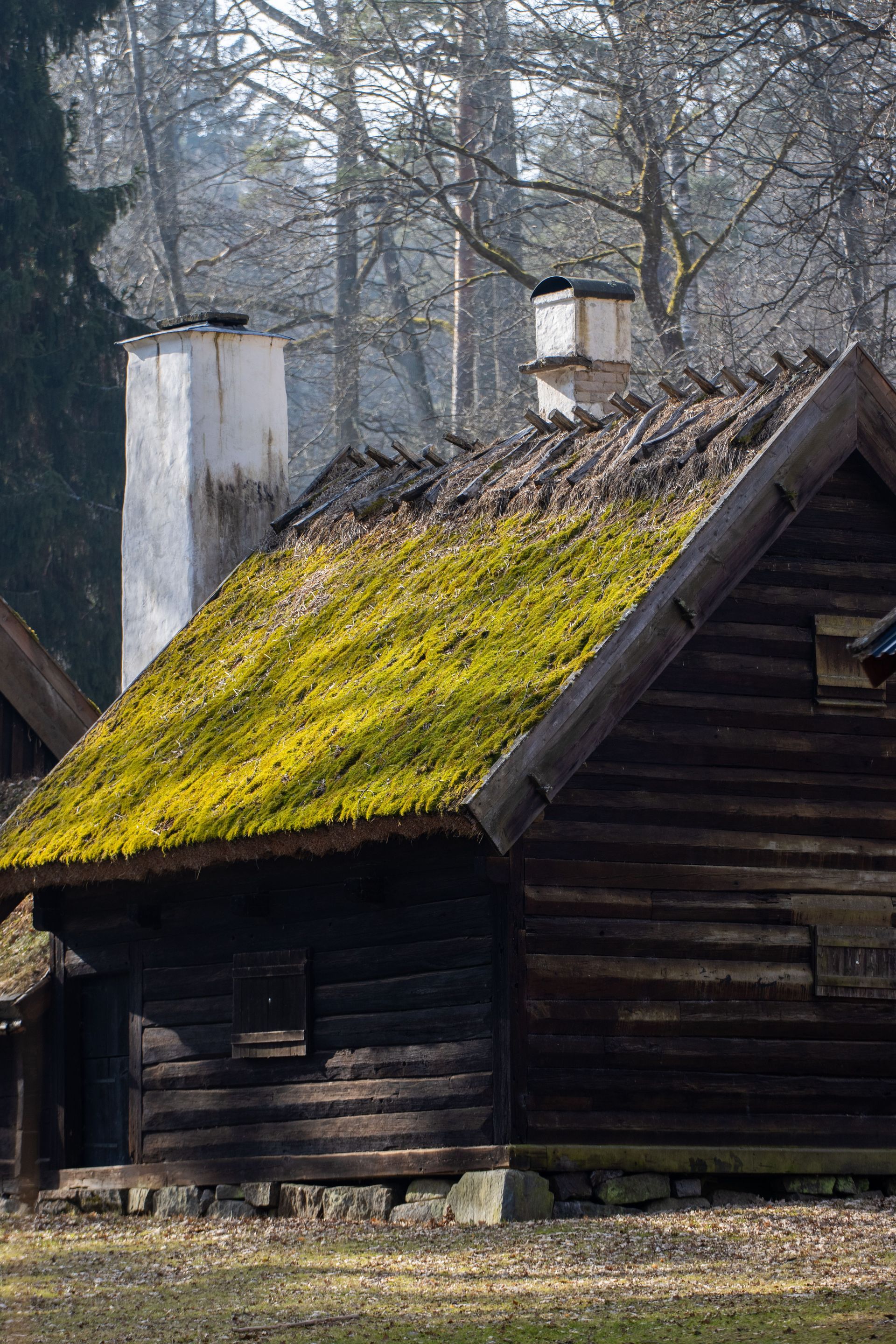
Algae mostly stains. It leaves those dark streaks and green blotches that make a decent roof look tired and neglected. Moss is the bigger worry because it's physical, not just cosmetic.
Moss holds water like a sponge against your tiles. In our damp climate it stays wet, and thick clumps break off and slide straight into the gutters. Here's what tends to follow when moss is left alone:
- Blocked gutters: loose moss washes down and clogs the flow, so rainwater spills over the edge.
- Trapped damp: a wet moss layer stops tiles drying, which is rough on older, more porous tiles.
- Frost damage: even our occasional frosts can expand trapped water and lift or crack tile surfaces.
- Faster wear: that constant moisture shortens how long a roof covering lasts.
6. Why low-pressure soft washing suits Southampton roofs
The instinct is to blast moss off with a pressure washer. On a coastal roof that's already taken years of salt and weather, that's a mistake. High pressure can strip the protective coating off tiles and force water under them.
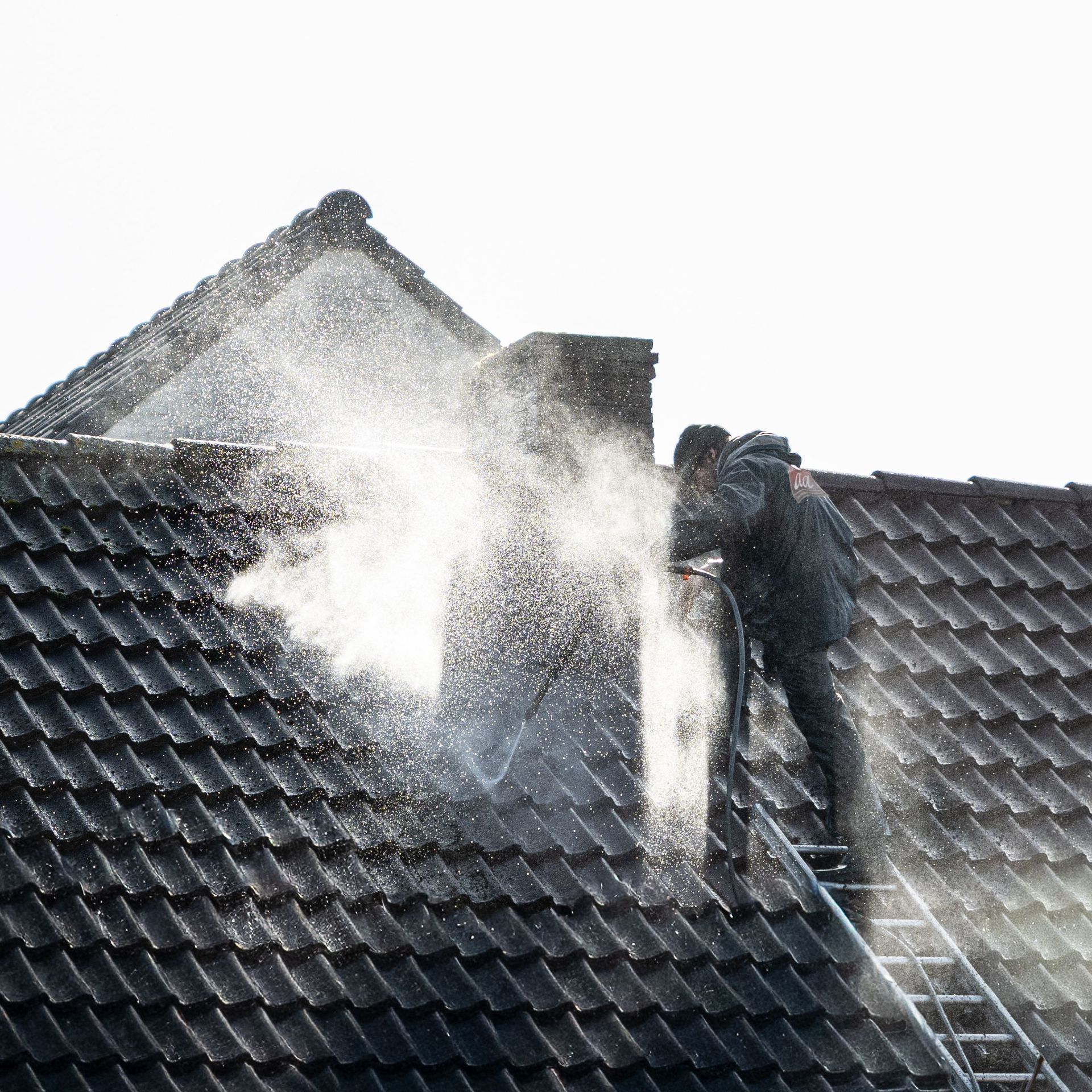
Soft washing works differently. It uses low-pressure water with a biocide that kills the moss and algae at the root, then lets it wash and weather away. The tiles stay intact, and because the treatment targets the growth itself, it holds off regrowth longer.
For roofs facing constant salt and damp, that gentler approach just makes sense. You clean the roof without wearing it out in the process.
Frequently Asked Questions
Does living near the Solent really make moss worse?
Yes. The salt-laden, humid air near Southampton Water keeps tiles damp for longer, and that steady moisture is what moss and algae need to spread.
Why is one side of my roof greener than the other?
North-facing slopes get less sun, so they dry slower and grow more moss. Shade from nearby trees makes the difference even sharper.
Will the moss come straight back after cleaning?
Some regrowth is natural in our climate, but a proper soft wash with biocide slows it a lot compared with just scraping the moss off.
Is pressure washing bad for my tiles?
It can be. High pressure can strip tile coatings and drive water underneath, which is why low-pressure soft washing is the safer choice on coastal roofs.
How often should a Southampton roof be cleaned?
It varies with shade, tree cover and how close you are to the water. Many local homes benefit from a check every few years rather than a fixed schedule.
Seeing green creep across your tiles?
Ben's Roof Cleaning works across Southampton and Hampshire, with over 15 years of experience. Get in touch or call 07889 127153
for a free, no-obligation quote.
Salt air is the price of a sea-city roof
Southampton's spot on the water is one of the best things about living here, and your roof quietly pays for it. The same air that makes the city feel open and coastal is the air that keeps your tiles damp and green. Knowing why it happens is the first step to staying ahead of it, and a gentle clean every few years keeps that green from ever getting the upper hand.